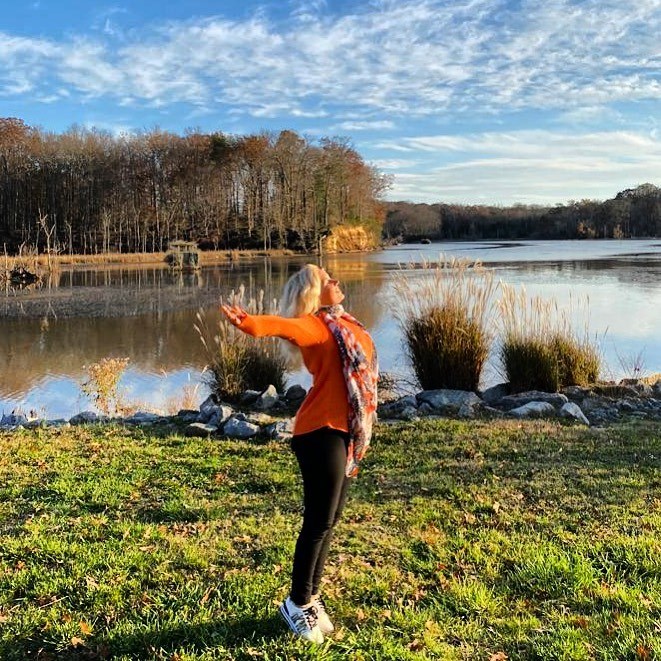
Our deepest fear is not that we are inadequate,
Our deepest fear is that we are powerful beyond measure.
Marianne Williamson
Sophrology, meaning “the study of conscious harmony,” is a dynamic relaxation method that can strengthen your body and mind’s well-being. It includes physical and mental exercises that promote health, well-being, relaxation, and alertness.
As published in the Guardian newspaper, Sophrology is described as a new learning tool to live.
DEVELOPMENT OF SOPHROLOGY
Created in the 1960s by professor of psychiatry and neurology Alfonso Caycedo, when he was trying to find a way to effectively bring traumatised and suffering from PTSD and depression war victims to a healthy physical and mental state with minimum drug use, Caycedo combined techniques from Zen, yoga, and Tibetan Buddhist meditation. Many varieties of Sophrology started to be used to manage daily stress and anxiety and enhance focus and concentration.
As a result of all these powerful benefits, it’s reimbursed by health insurance in France and Switzerland. Celebrity fans include Arianna Huffington and French tennis player Stéphane Robert. The French rugby team reportedly used sophrology while training for the last World Cup.
Even though Europeans have benefited from it over decades, Sophrology is a relatively new well-being technique here in the US. According to the NBC News article, Sophrology might be poised for its moment here in the U.S., with its solid and proven history behind it.
SOPHROLOGY PRACTISES
In sophrology, the body plays a special role in growing your awareness. A Body Scan is one of the most fundamental techniques in Sophrology to bring the focus to the present moment.
The technique focuses intensely on body sensations and perceptions to conquer a new state of awareness through the practice. Through different body positions -standing or sitting-using the voice and sound, visualization, or the alternation of stillness and movement, you are encouraged to notice and access subtle.
Sophrology is all about awareness and so noticing where you breathe is important. Breathing exercises such as Alternate Nostril Breathing can be done standing, however, you may want to sit or lie down while you do them as you may feel a bit dizzy at the beginning due to all the oxygen that is now nourishing your brain.
Tension Release Exercise from Shoulder and Neck
We process emotional stress and tension by holding them in our muscles, mostly in our necks and shoulders. This stiffens and tension takes so much energy, and we spend our valuable body energy to hold this stress in our muscles unconsciously.
To get rid of this tension you can practise this Sophrology exercise;
This exercise can be done standing or sitting
Exhale and empty all your lungs and stomach area
Inhale through the nose
Put your arms up above your head,
Clench your fists and hold your breath,
Tense all muscles in arms and shoulder, tense, tense
Exhale and breathe out fully through your mouth and
Release all the tensions as you bring your arms down
Continue to exhale and release all tension
In this exercise, when we consciously tense our bodies, we force the body to stop the flowing energy and when we release this tension, the body remembers this relaxation state and makes us aware of this tension and tries to get rid of it.
MEDICAL USE OF SOPHROLOGY
Although Sophrology is not a medical treatment, doctors in France widely prescribe it as a therapy alongside medicine or cure. A study Sophrology on Children with Asthma proved that those who experienced Sophrology sessions alongside standard treatment had improved airflow compared to those who didn’t practice Sophrology.
Another study Sophrology for patients in oncology at the Institute Curie observed that cancer patients undergoing chemotherapy experienced less stress and fear while using sophrology techniques.
LEVELS OF SOPHROLOGY
Sophrology can be practised with a qualified sophrologist or on your own. There are 12 levels of practice that start from a very fundamental level and steadily extend as the practitioner guides. Sessions may include a guided focus on the body, visualizations, dynamic relaxation exercises, and more according to the individual’s needs.
You can enjoy it anytime and anywhere, either alone or in a group, without requiring any special tools.
ADDITIONAL RESOURCES
This study published by the National Library of Medicine explains how sophrology can help people deal with anxiety.
This study published by the Complementary Medical Association gives general information about Sophrology.
This article from the Guardian Newspaper explains how Sophrology helps for a better life.
This study from Psychreg.org explains the effects of Sophrology to a positive lifestyle.
This article from NBC News explains the development of Sophrology in the US
This study explains Sophrology as a well-being method and focuses on its positive effects.
This study from the South China Morning Post explains the relationship between Sophrology and relaxation
This Complementary Medical Association study presents general information about sophrology.
This Heathline.com article explains sophrology as a well-being method and focuses on its positive effects.
This study published by ResearchGate explains sophrology’s development over four decades and its scientific status.
This Psychreg.org study explains the effects of sophrology on a positive lifestyle.
This NBC News article explains the development of sophrology in the United States.
This National Library of Medicine study explains how sophrology can help people dealing with anxiety.
This South China Morning Post study explains the relationship between Sophrology and relaxation.
This study published by the International Journal of Environmental Research and Public Health shows the benefits that hospital staff experienced from sophrology.
 LiveSophroLife Journal